Earth Day Guide: How to Recycle Fabric Scraps and Textiles Sustainably
Earth Day is a great reminder to take a more thoughtful approach to how we use and reuse materials, including fabric scraps and textile remnants. Whether you're working on upholstery projects, creating custom décor, or ordering samples, leftover fabric is often unavoidable.

The good news? Many fabric scraps can be reused, donated, or recycled—helping extend the life of high-quality textiles while reducing waste.
Why Recycling Fabric Scraps and Textiles Matters
Textile waste continues to grow each year, with millions of tons of fabric ending up in landfills. Many of these materials could be reused or recycled instead. Upholstery fabrics, performance textiles, and durable woven materials are especially valuable because they are designed for strength and longevity.
Recycling and repurposing fabric scraps helps:
- Reduce landfill waste
- Conserve raw materials and resources
- Lower negative environmental impact
- Support circular design practices
- Extend the lifespan of performance textiles
Choosing durable fabrics and recycling usable remnants helps support a more responsible design process.
How to Properly Sort Fabric Scraps for Recycling
Proper sorting is the first step in recycling or reusing textile remnants. Clean, dry fabric scraps are much easier to repurpose or donate than materials that are stained or contaminated.
Separate fabric scraps into categories such as:
- Large remnants suitable for reuse
- Small snips (samples) and offcuts
- Lower environmental impact
- Support circular design practices
- Extend the lifespan of performance textiles
Keeping remnants organized also makes it easier to reuse them in future projects or prepare them for recycling programs.
Creative Ways to Reuse Upholstery Fabric Scraps
Before recycling, consider repurposing fabric remnants. Even small pieces of upholstery fabric can be reused in practical and creative ways. Popular ways to reuse fabric scraps include:
- Accent pillows and patchwork upholstery
- Decorative trim or fabric accents
- Swatches for design presentations
- Repairing cushions or furniture
- Craft projects or accessories
Performance fabrics are especially well suited for reuse because of their durability and resistance to stains and wear.


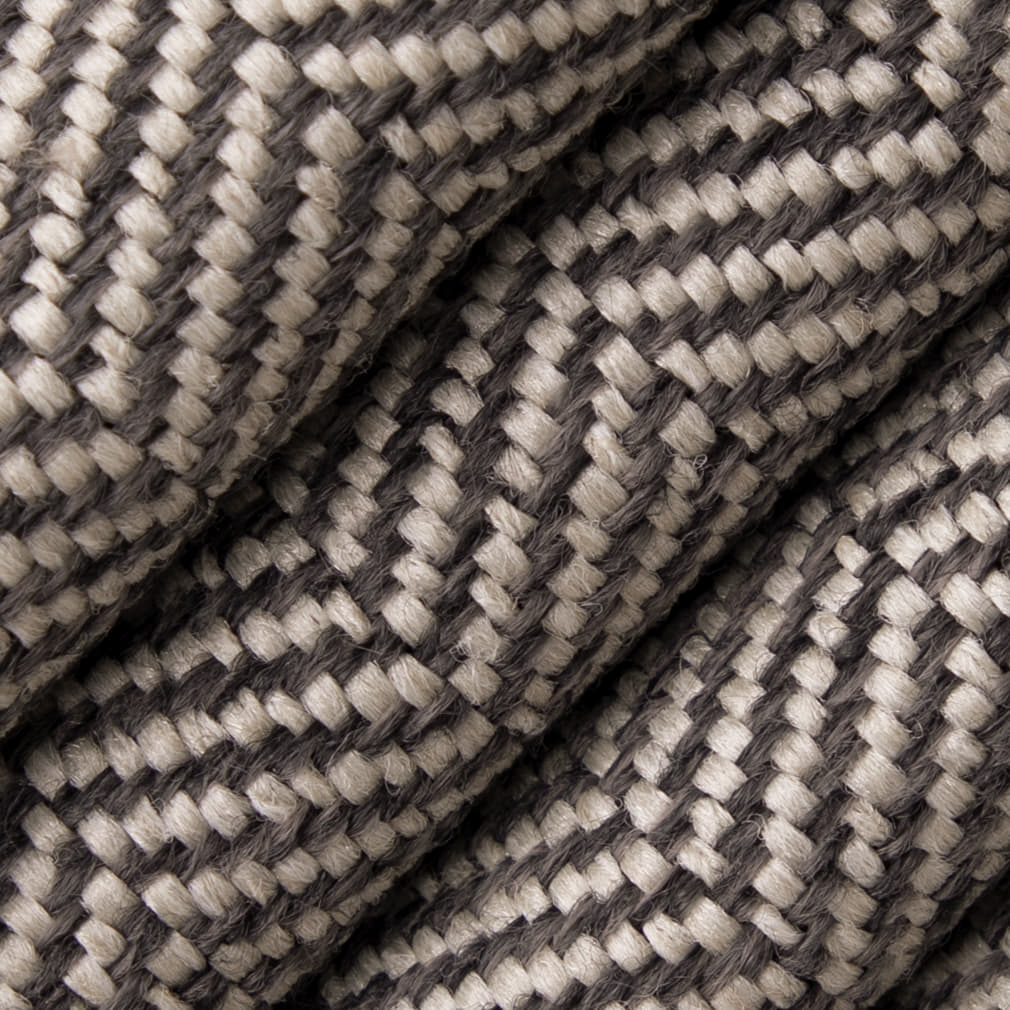
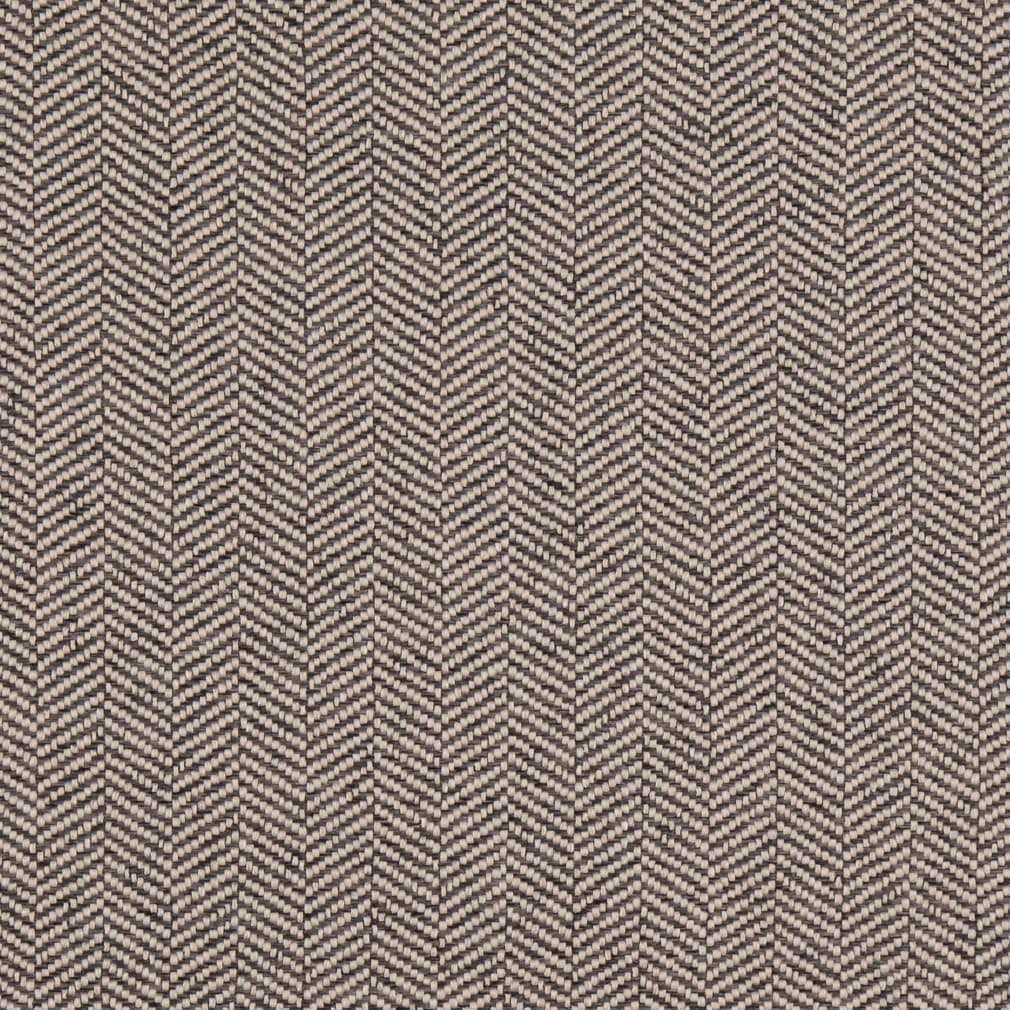
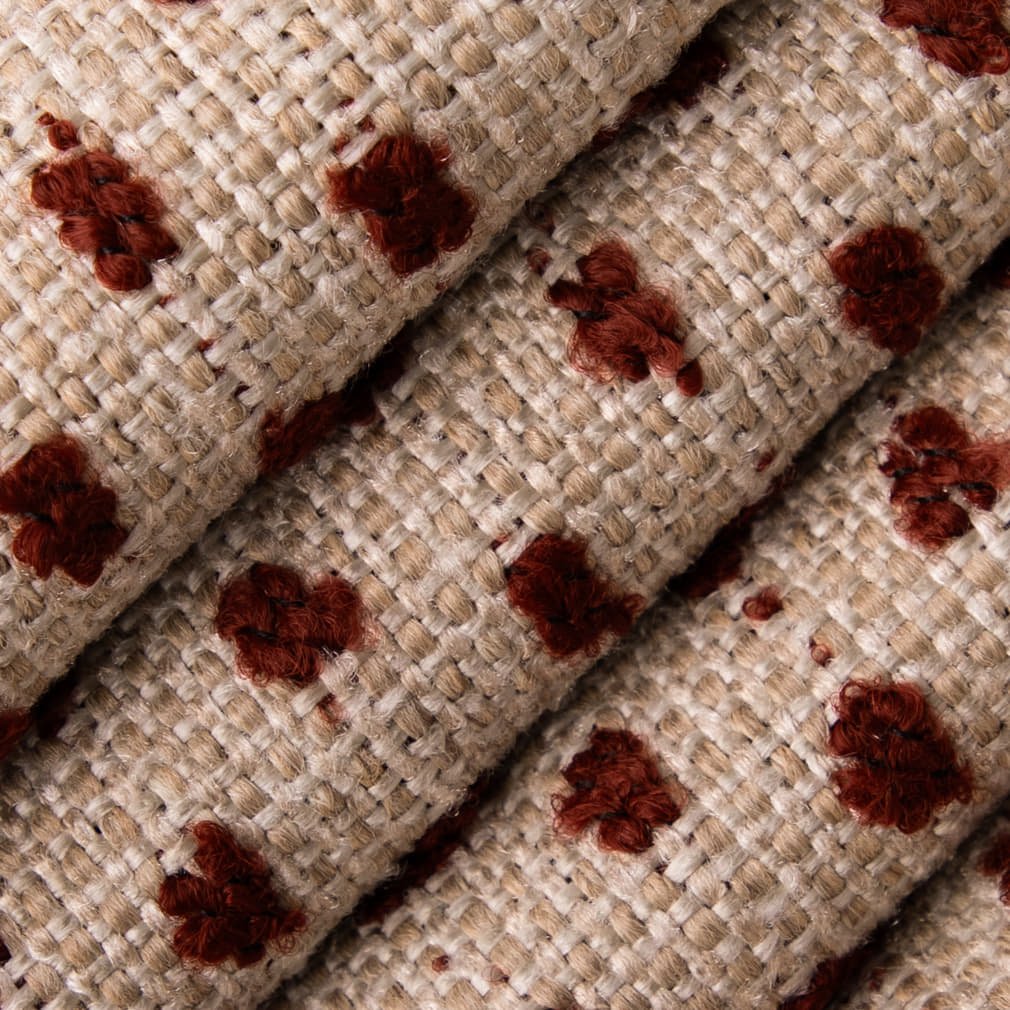
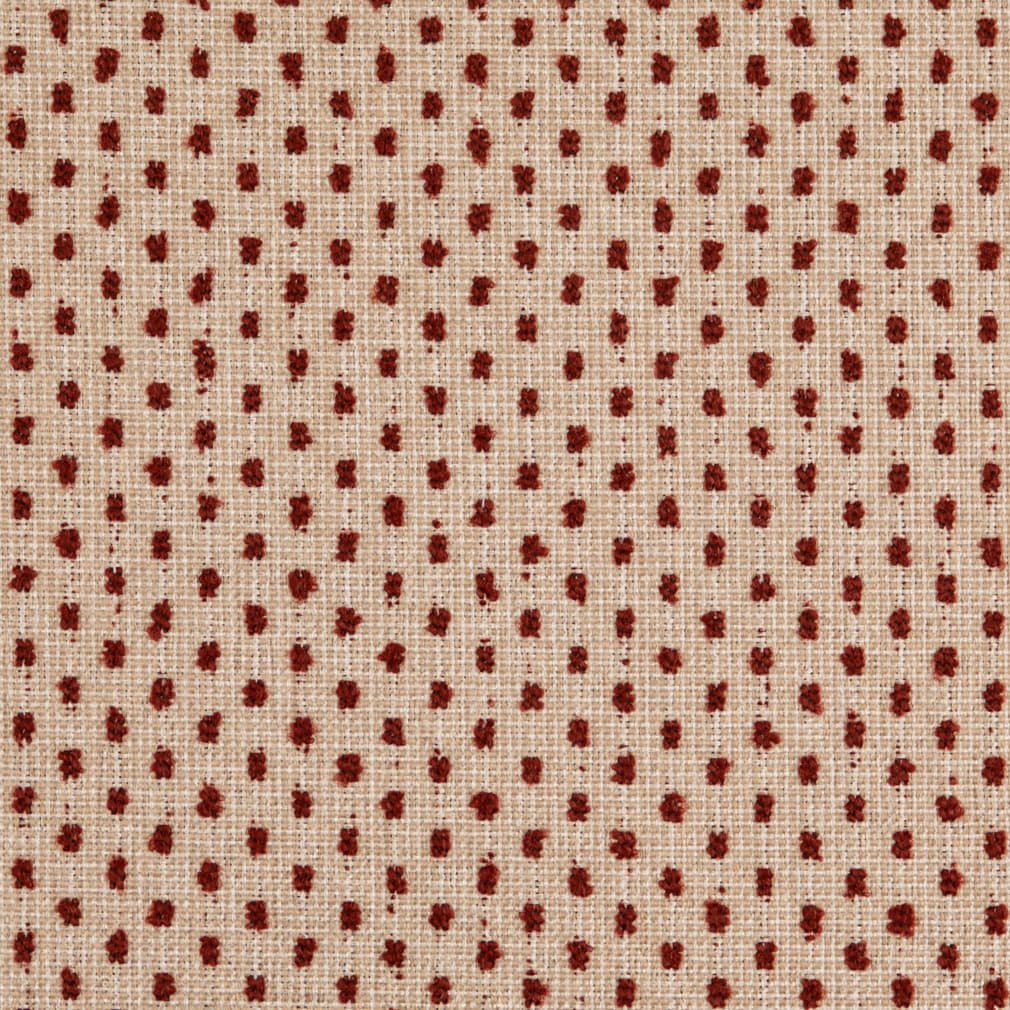
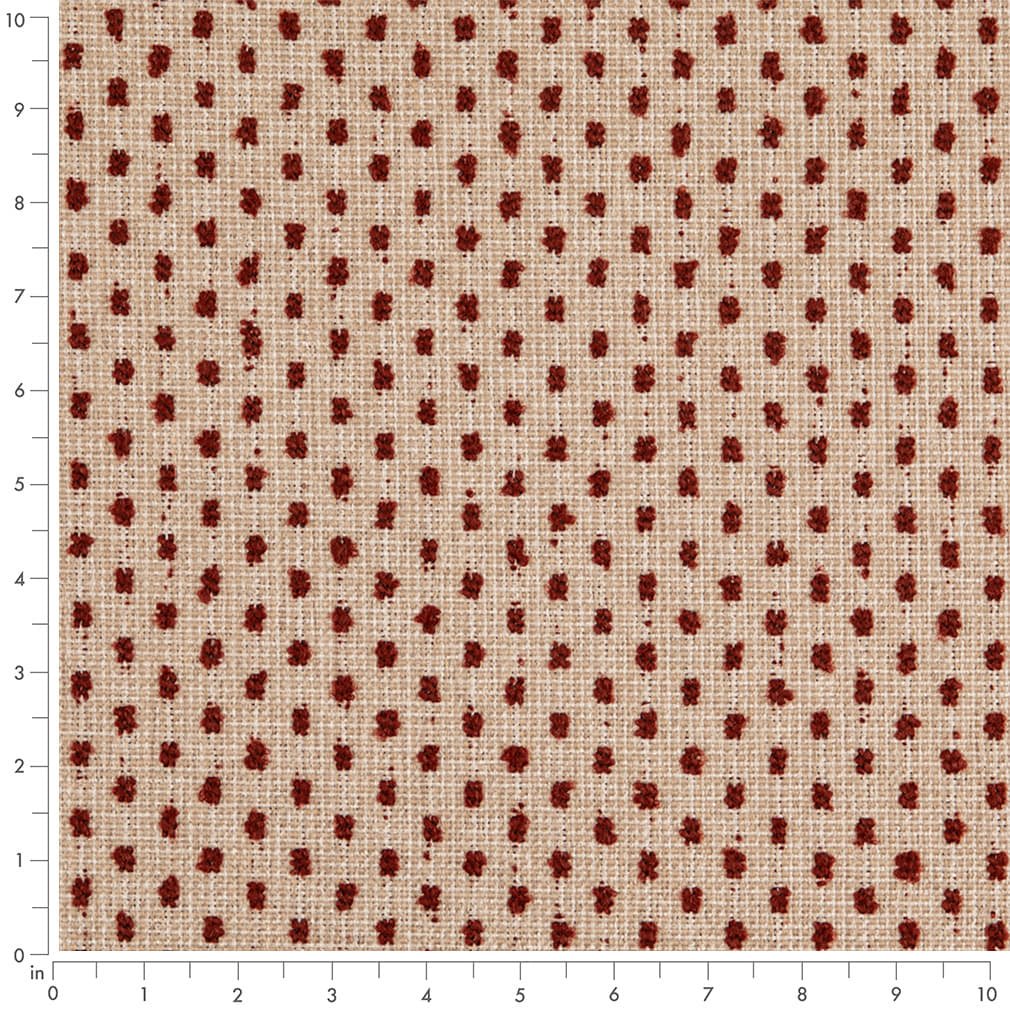
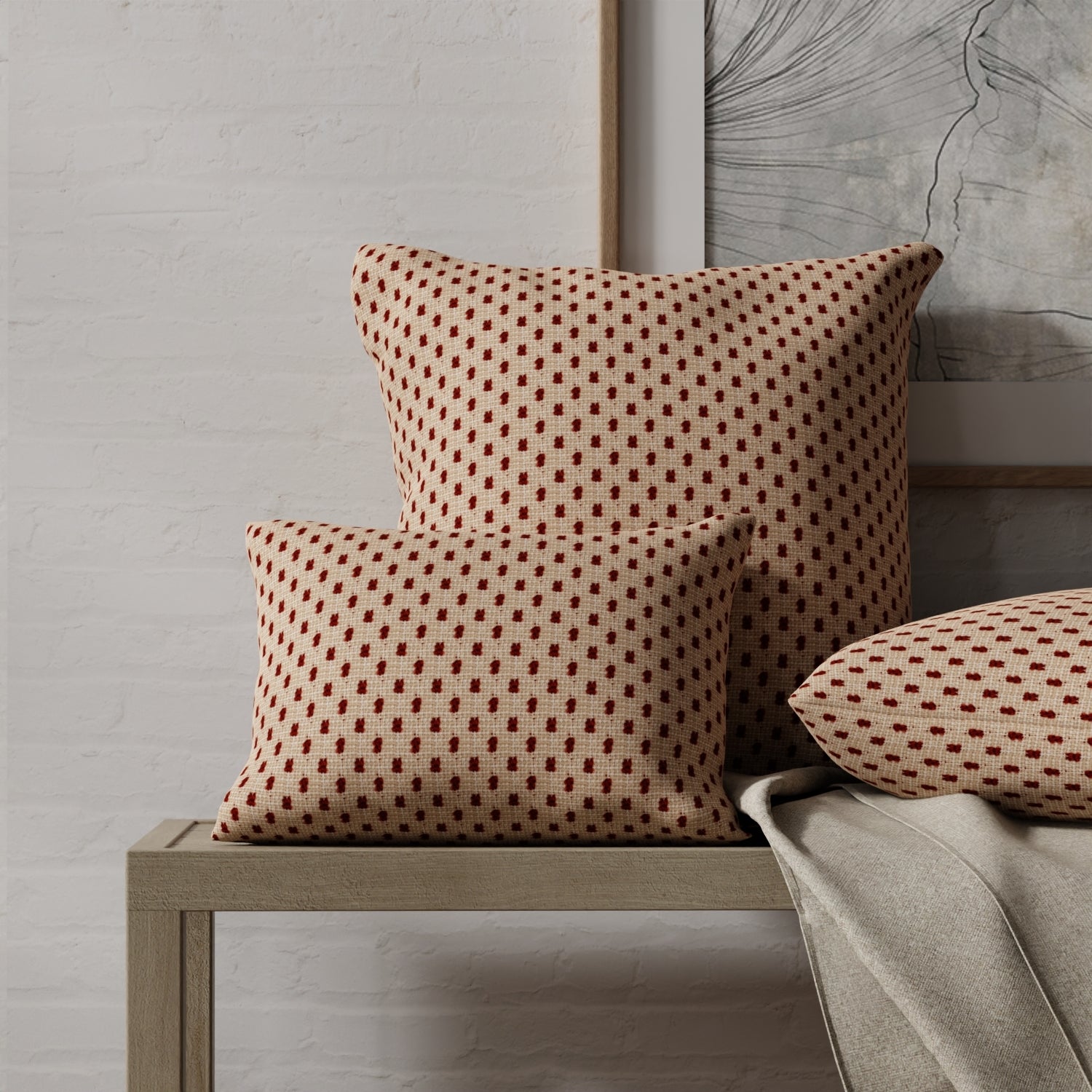
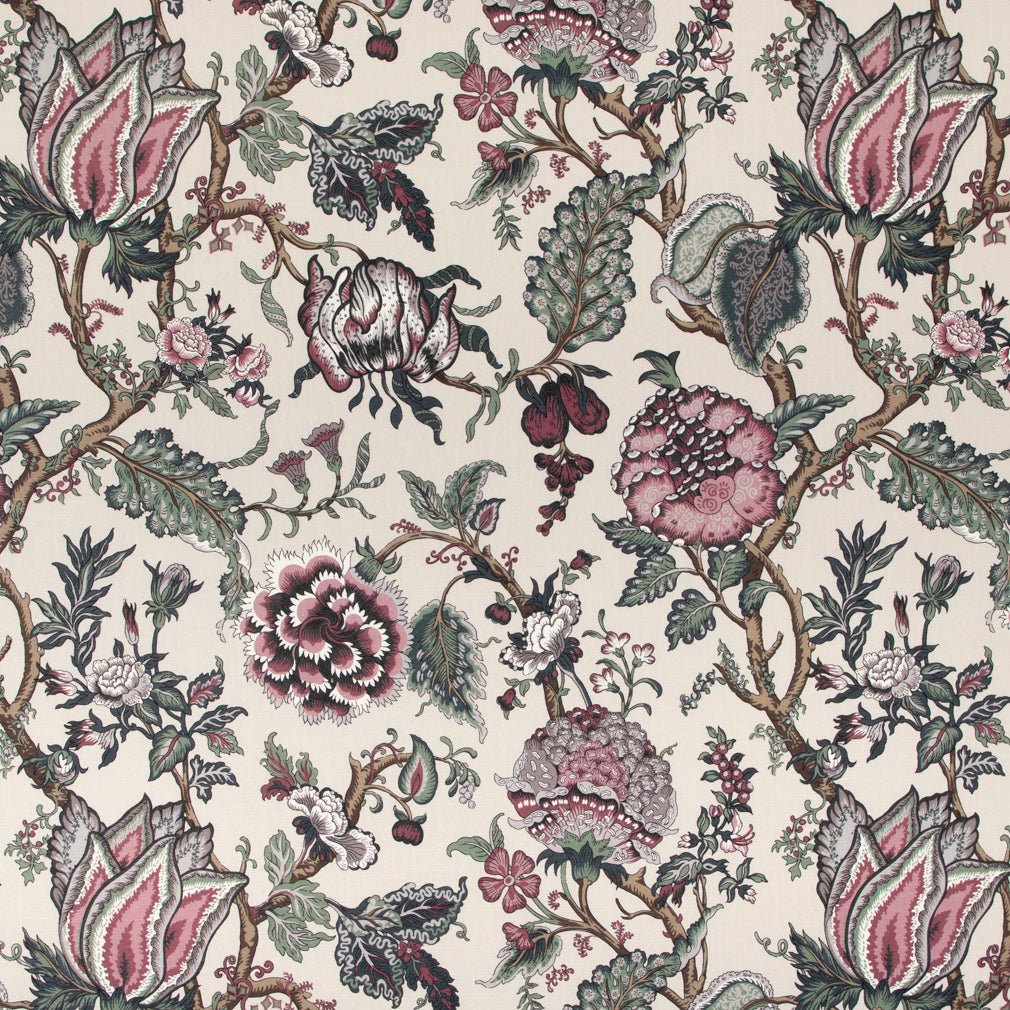
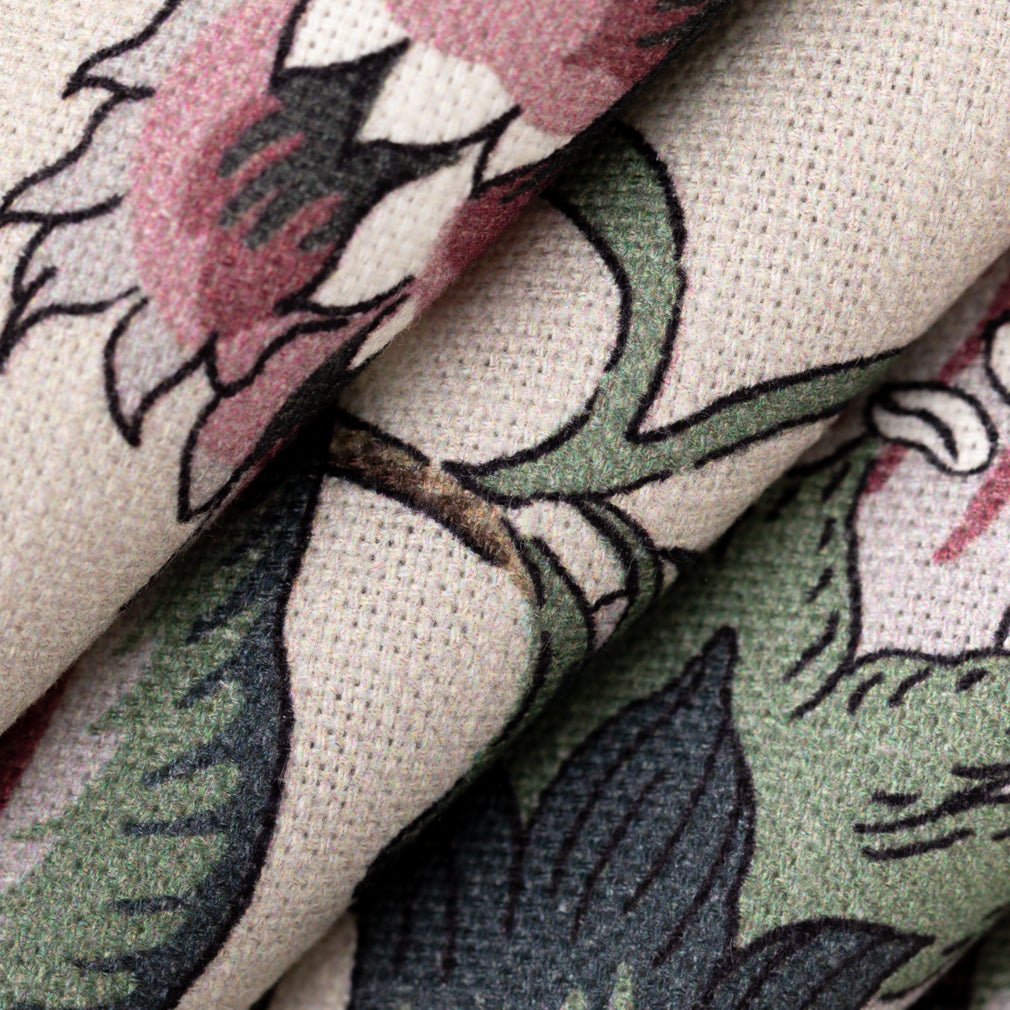
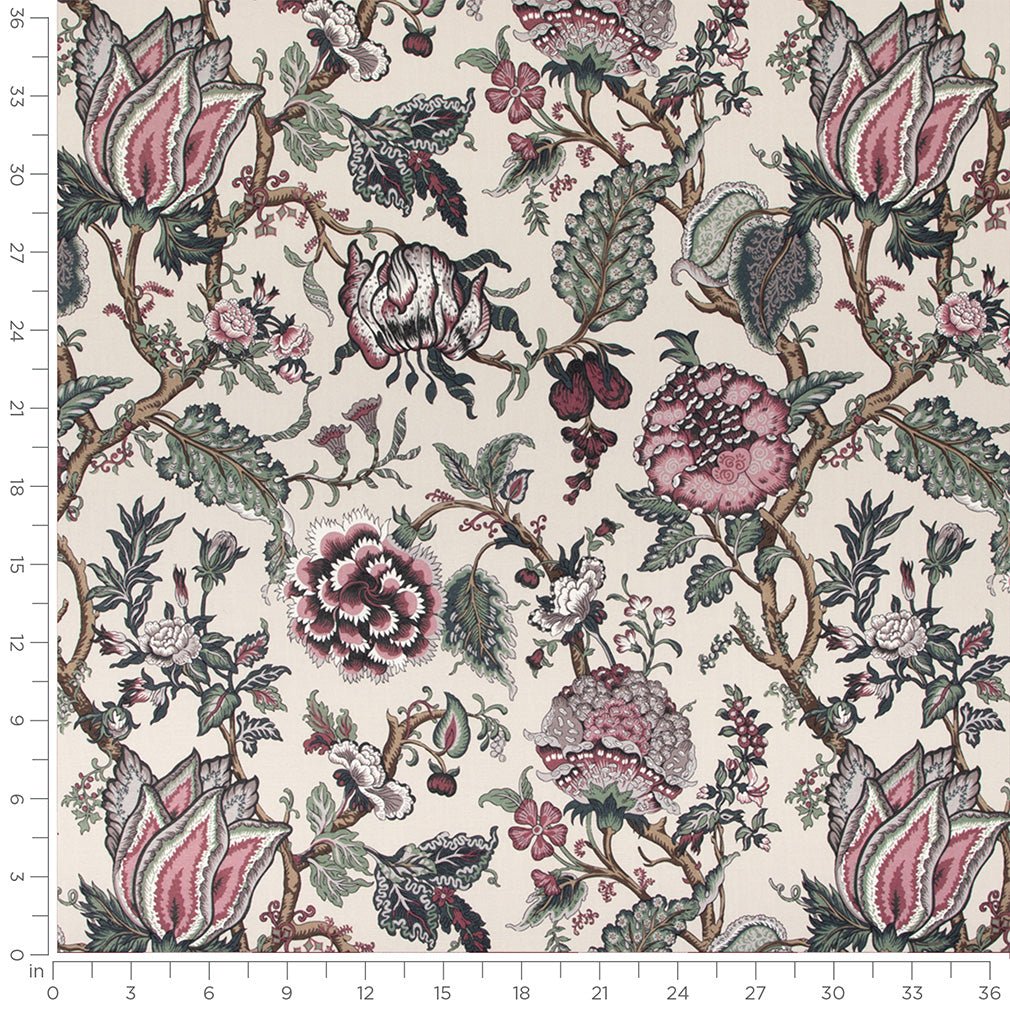
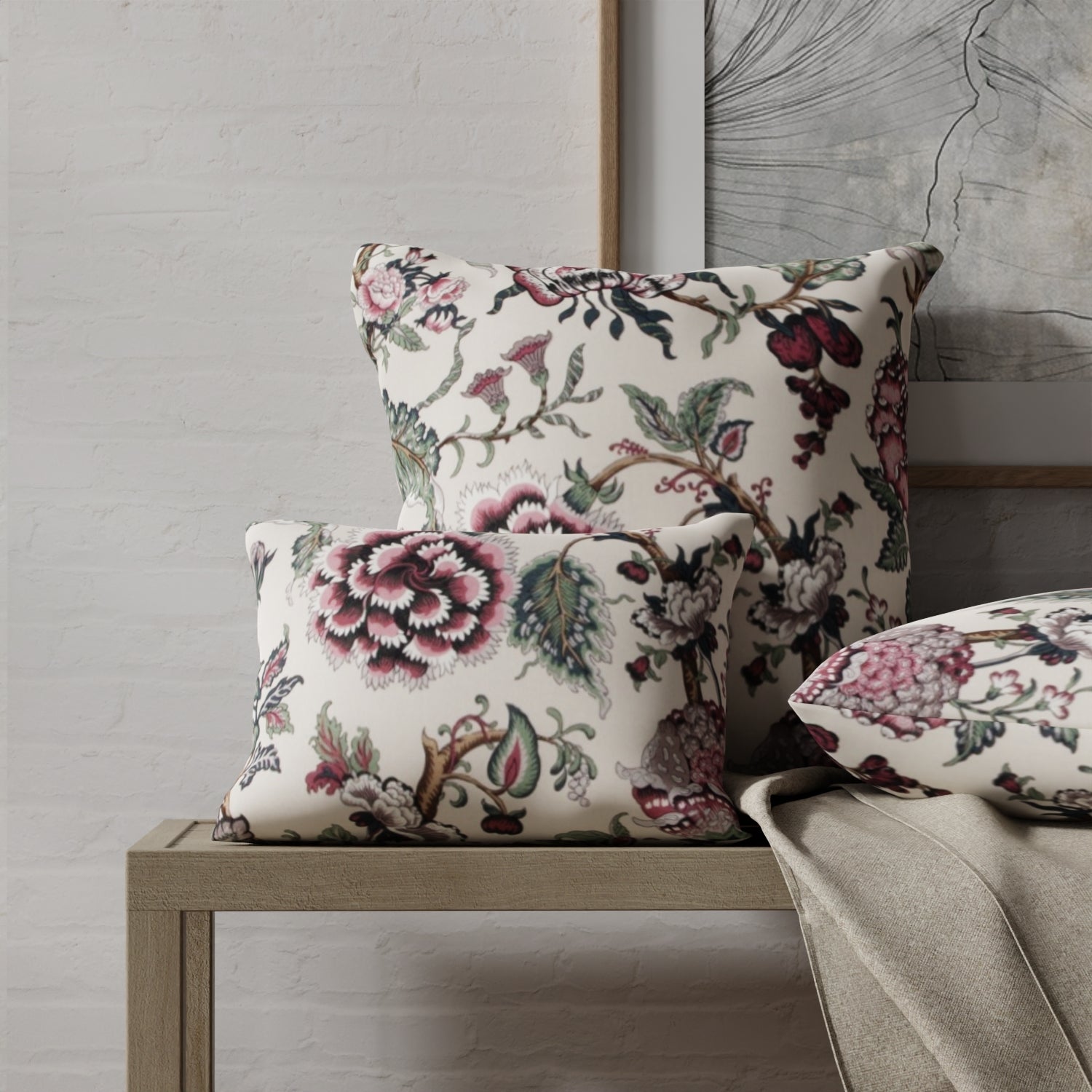
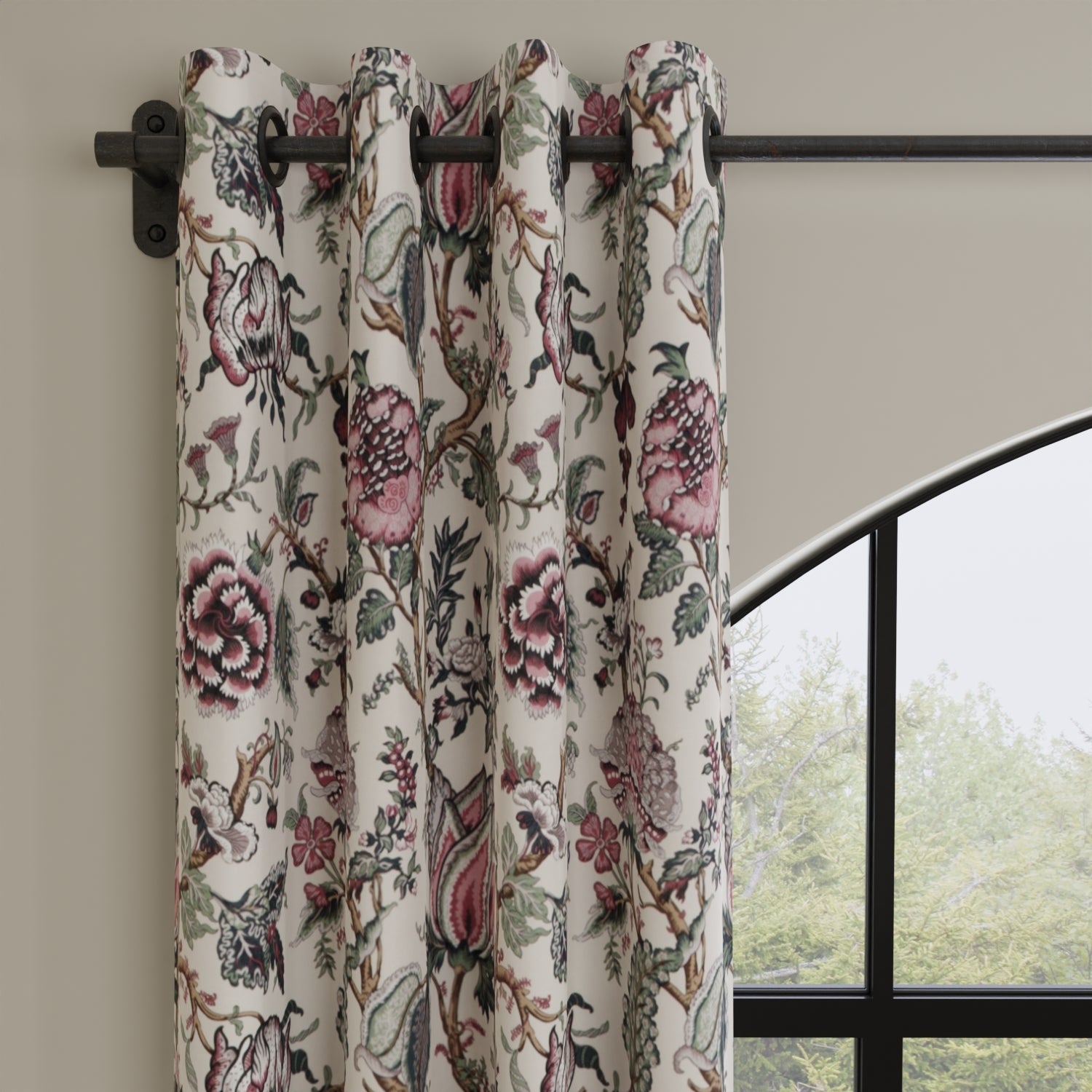
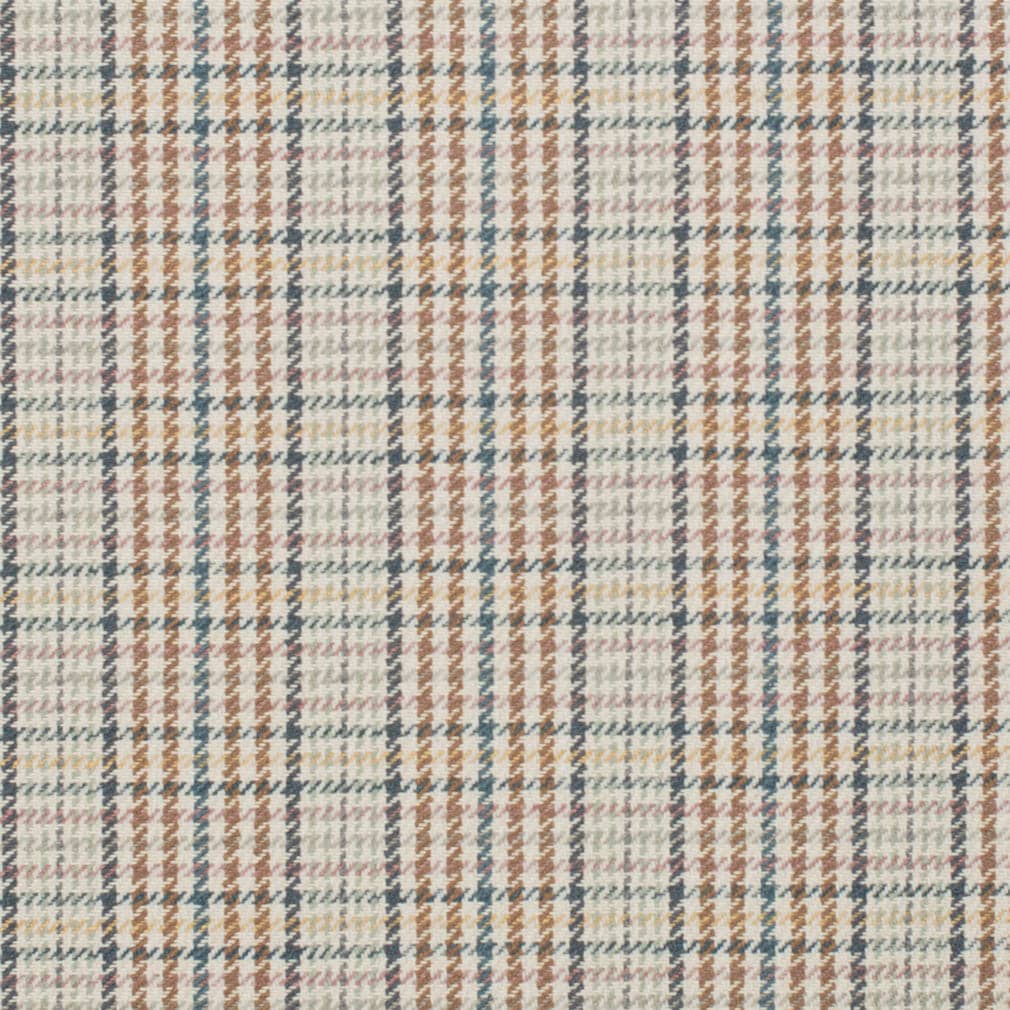
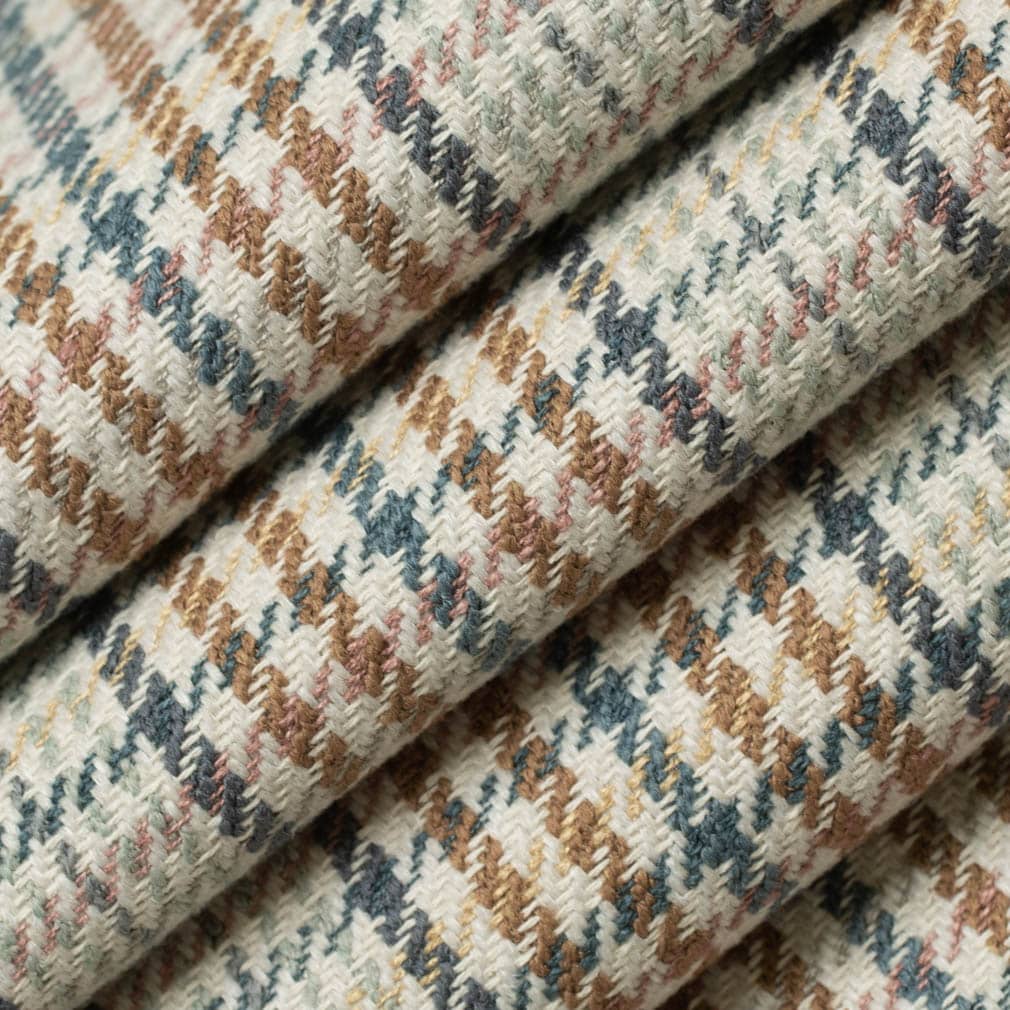
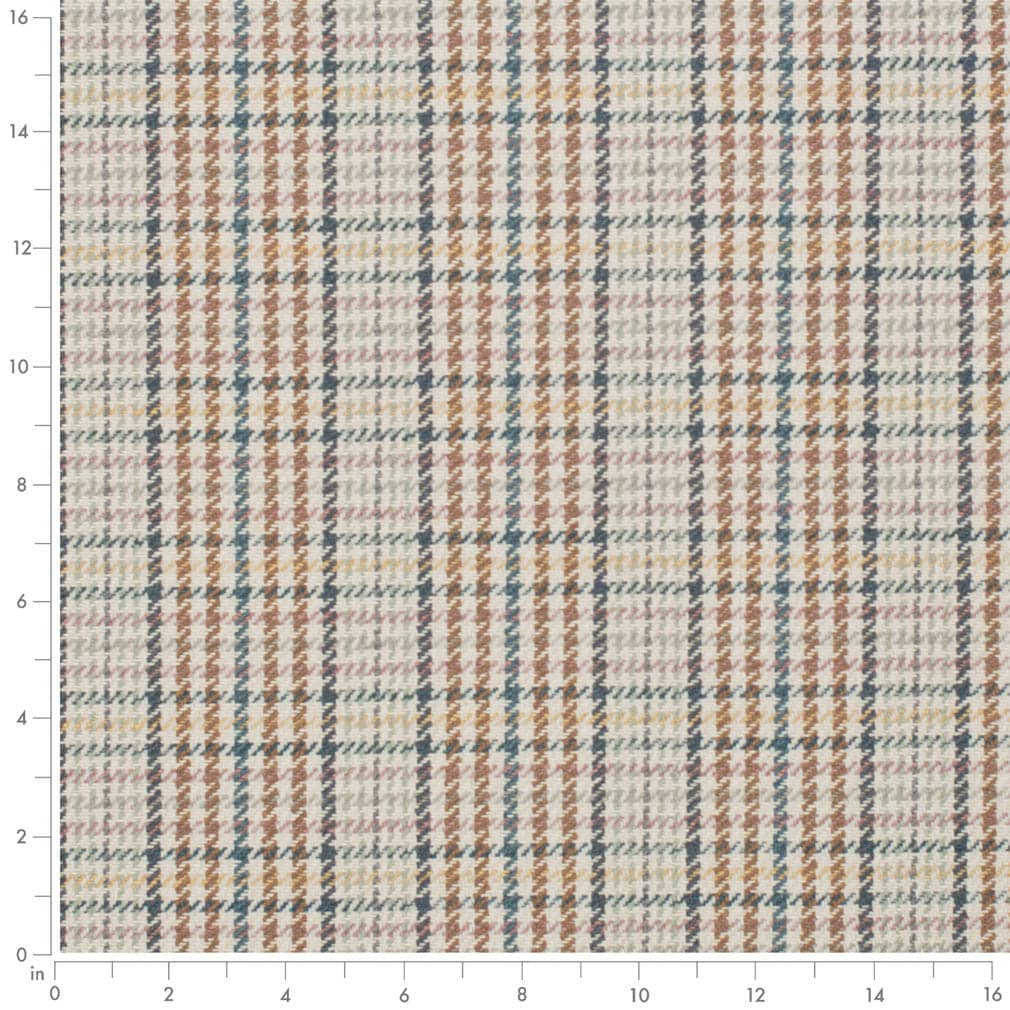
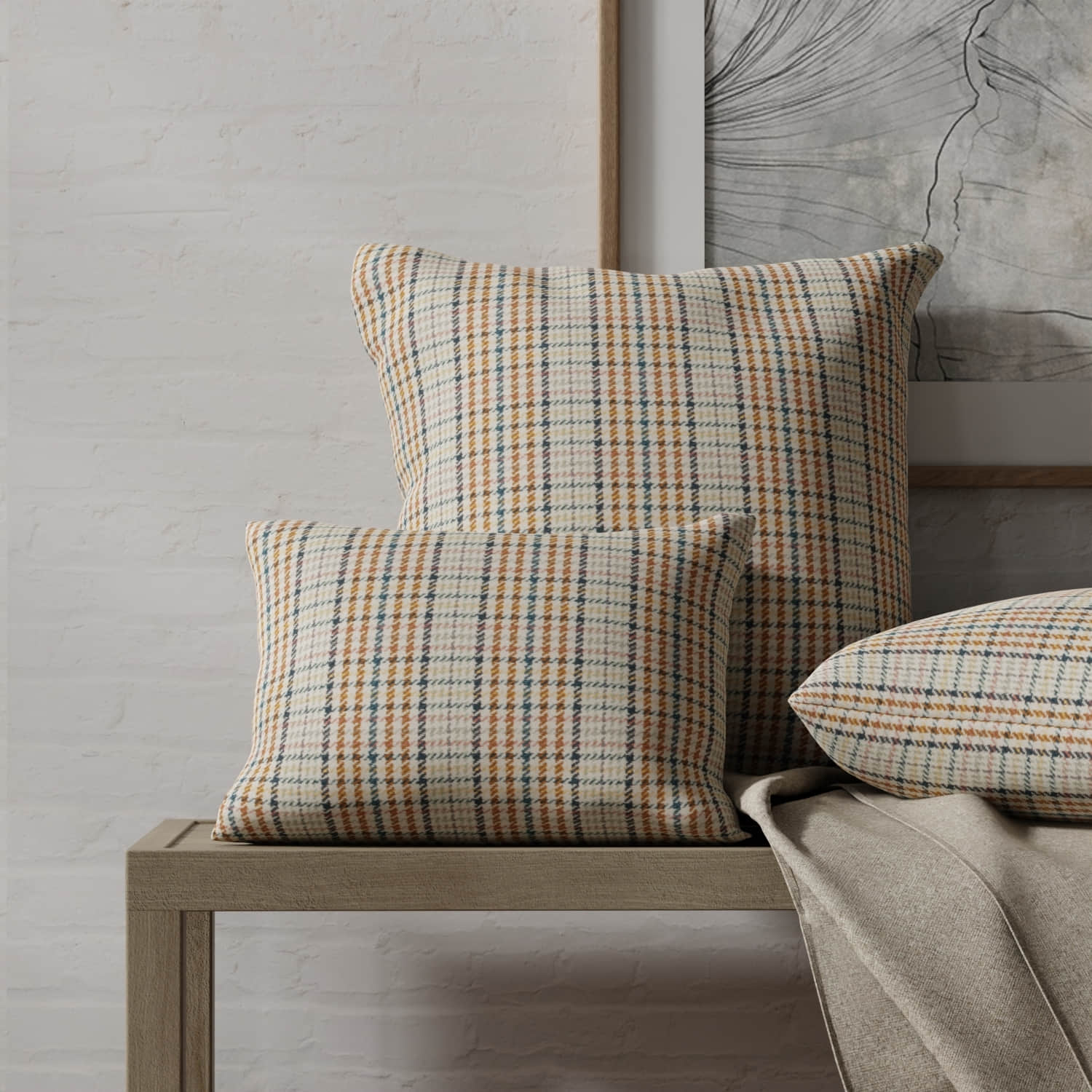
Featured Fabrics: Dani Moss, Ragata Granite, & Noor Rosewood
Where to Donate Fabric Scraps and Textile Remnants
If your fabric remnants are clean and usable, donating them can give the material a second life while supporting creative communities. Consider donating to:
- Local schools and art departments
- Upholstery training programs
- Community theaters and costume departments
- Nonprofit creative reuse centers
- Maker spaces and design studios
Donating fabric scraps helps reduce waste while supporting creative programs and makers.
Textile Recycling Programs and Responsible Disposal
When fabric can no longer be reused, textile recycling programs provide another responsible option. Many recycling facilities accept upholstery fabric, performance textiles, and blended fibers. Recycled textiles may be transformed into:
- Carpet padding
- Furniture filling
- Cleaning cloths
- New recycled fiber materials
Check with local textile recycling programs or municipal recycling centers to see what options are available in your area.

Reduce Fabric Waste with Sustainable Planning
One of the most effective ways to reduce textile waste is to plan projects thoughtfully from the beginning. Careful material selection and planning can help minimize excess while maximizing fabric lifespan.
Best practices include:
- Ordering appropriate yardage for each project [calculate fabric yardage with our guide]
- Saving usable remnants for future applications
- Using samples before committing to full yardage
- Selecting durable, performance-driven textiles
- Choosing versatile fabrics that work across multiple applications
High quality upholstery and performance fabrics are designed to last through years of use, which can help reduce replacement frequency and overall waste.
Choose Eco-Friendly and Recycled Fabrics
When you’re planning projects with sustainability in mind, the fabrics you choose can make a big difference. Folio Fabrics offers eco-friendly textiles, including fabrics made with
Using eco-conscious fabrics mean you can:
- Choose fabrics that last and perform beautifully
- Reduce your environmental footprint by selecting recycled fibers
- Work with versatile, sustainable textiles for a variety of projects
Final Thoughts
Earth Day is an opportunity to make meaningful changes, both big and small. Recycling fabric scraps, donating textile remnants, and choosing durable or eco-friendly materials all contribute to a more thoughtful approach to design.
By extending the life of textiles, reducing waste, and selecting fabrics that last, designers, upholsterers, and DIY creators can continue creating beautiful, functional spaces while making choices that are better for the environment.