How to Mix & Match Patterns and Textures Without Clashing
Mixing patterned and solid fabrics can take a room from simple to beautifully layered—but it can also feel intimidating. Too many patterns can make a space feel busy, while too few may leave it feeling flat. The key is finding the right balance.

Whether you're upholstering furniture, refreshing throw pillows, or planning an entire room, these simple tips will help you mix patterns and textures with confidence
Start With a Color Anchor
Before choosing fabrics, identify one main color to anchor the space. This could come from:
- A sofa or upholstered chair
- A rug
- A wall color
- A favorite fabric you're designing around
Once you have your anchor color, choose patterns and textures that share at least one common hue. This creates a cohesive look, even if the patterns themselves are very different.
Pro tip: Neutrals count as colors. Cream, taupe, gray, and navy all make excellent anchor shades.
Follow the "Scale Rule"
One of the most common pattern-mixing mistakes is using patterns that are all the same size. Instead, try combining different scales:
- One large-scale pattern (bold florals or oversized geometrics)
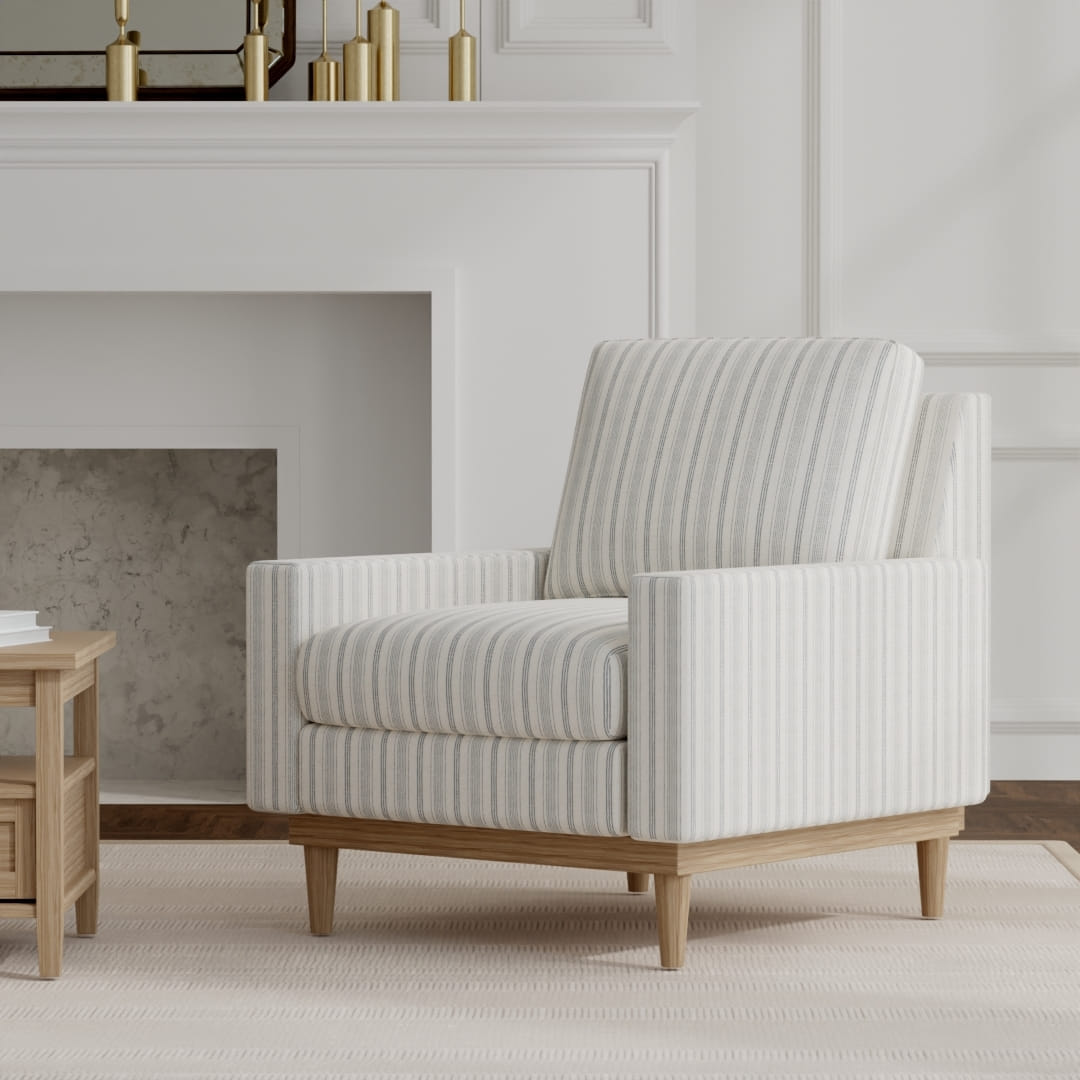
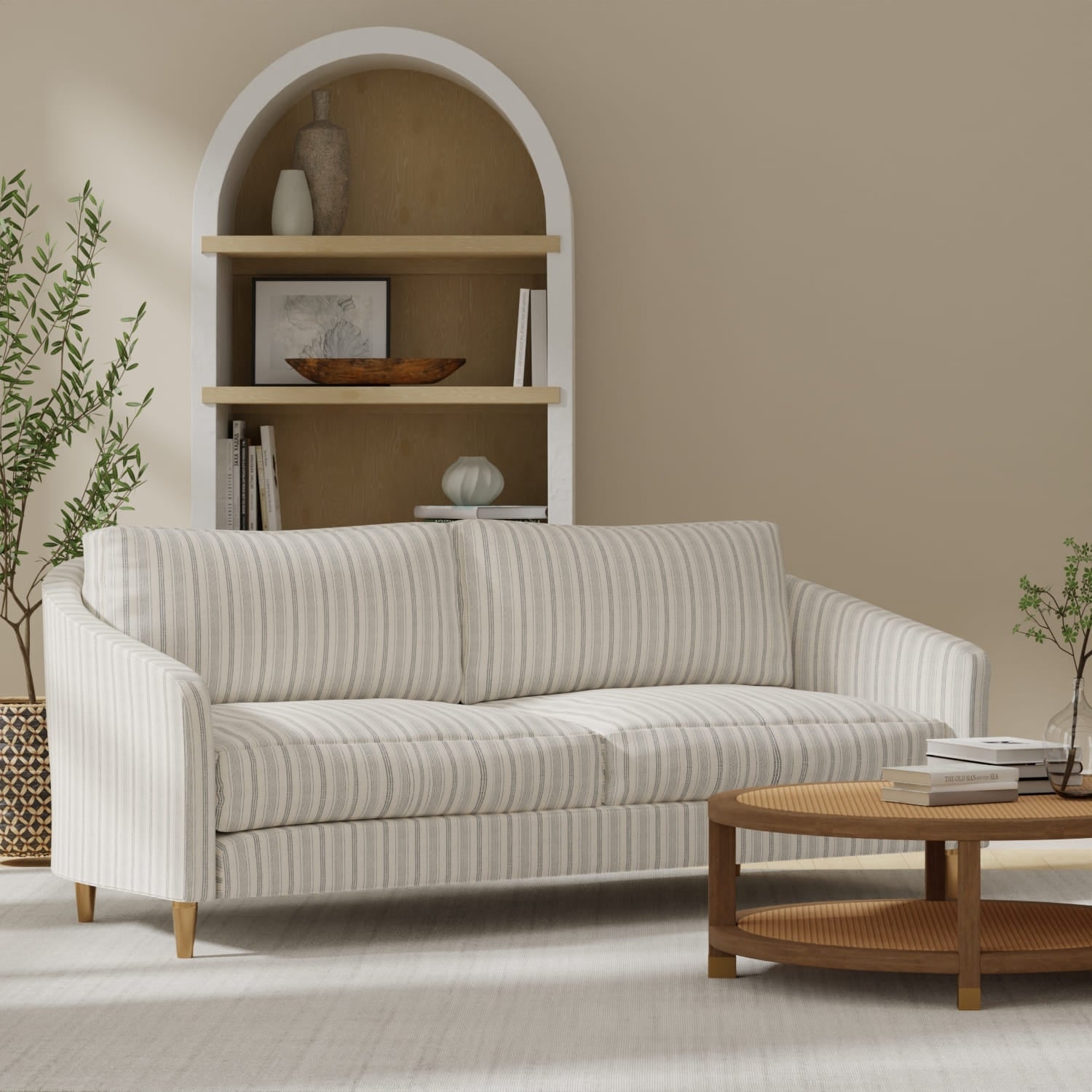
- One medium-scale pattern (stripes or medium repeats)
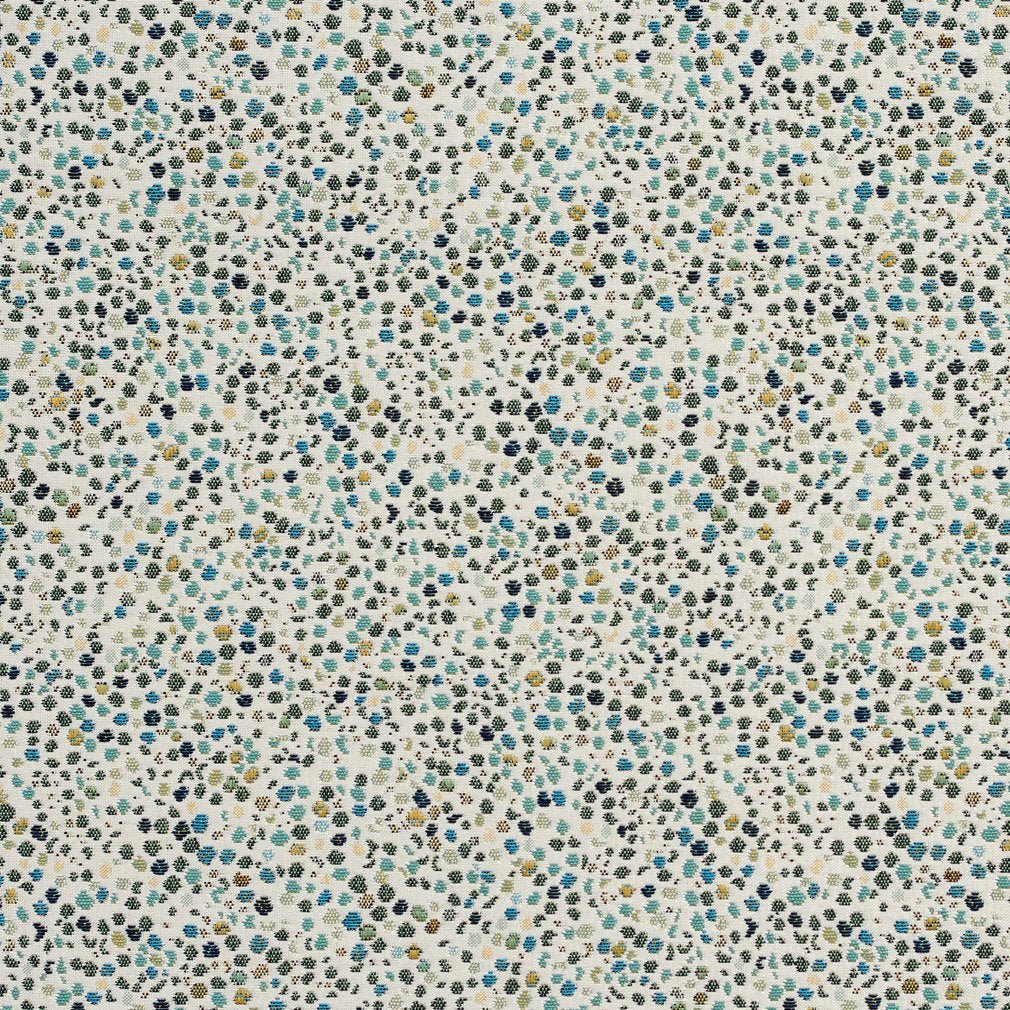
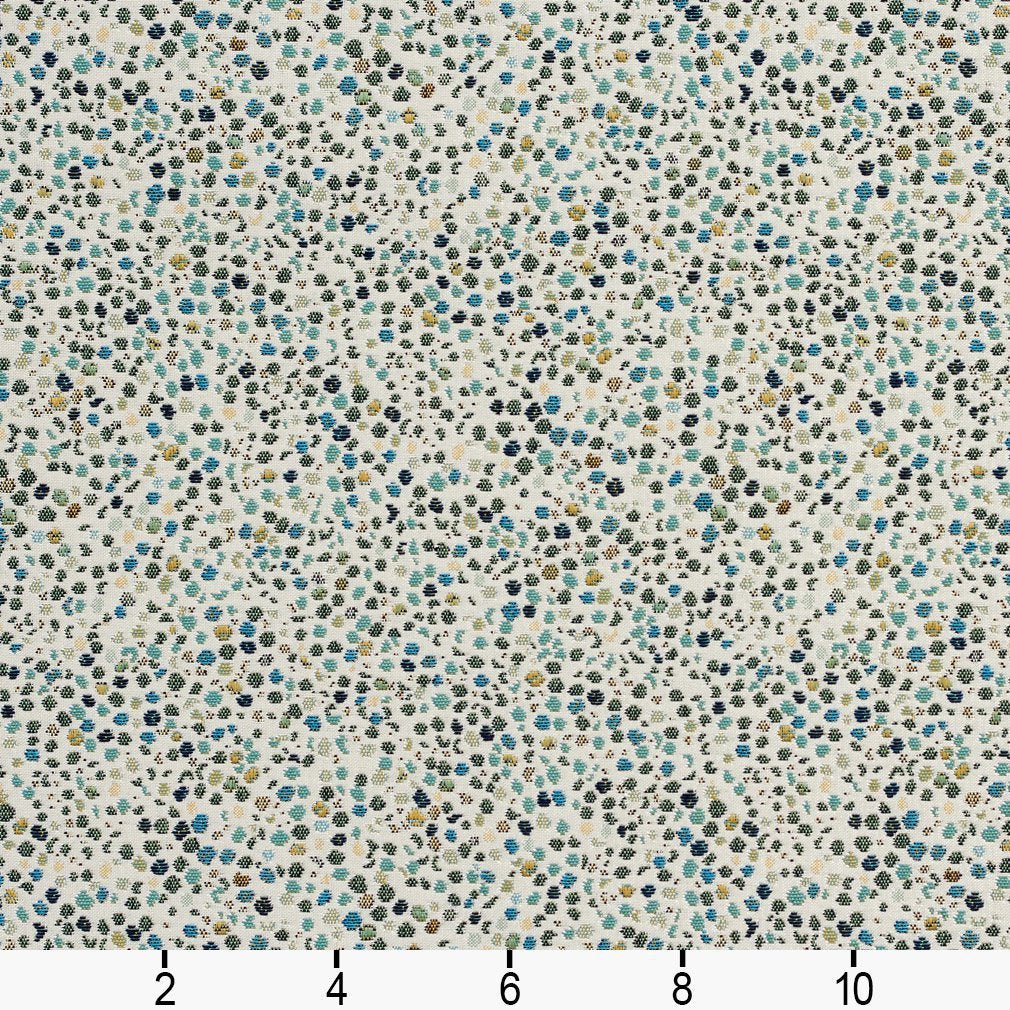
- One small-scale pattern or textured fabric (pin dots, subtle weaves, or tone-on-tone designs)
Varying the scale creates visual interest while keeping the overall look balanced.


Featured Fabrics: Beck Leaf, Denali Pine, Claridge Olive
Let Textures Do Some of the Work
Textures and solids are just as important as patterns because they give the eye a place to rest. Use them to:
- Ground bold patterns
- Separate multiple patterns
- Highlight texture without adding visual clutter
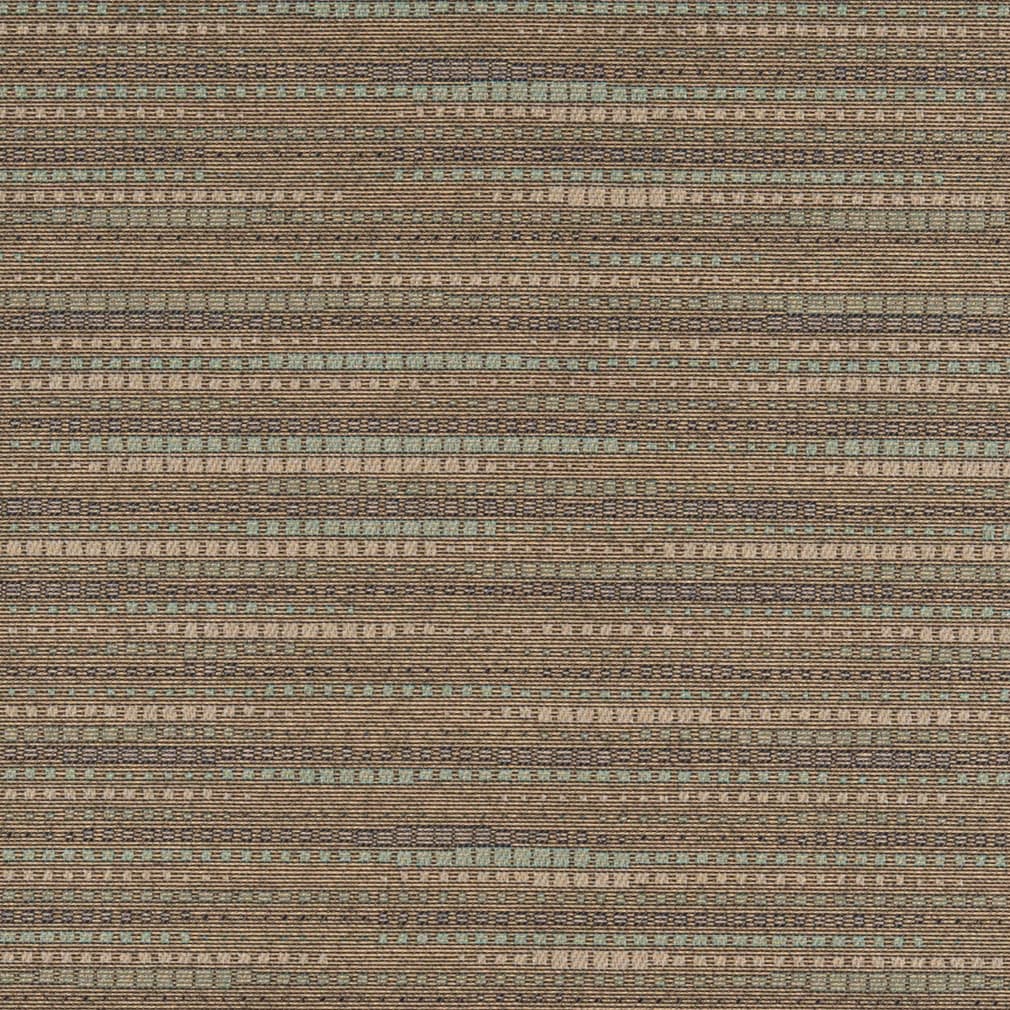
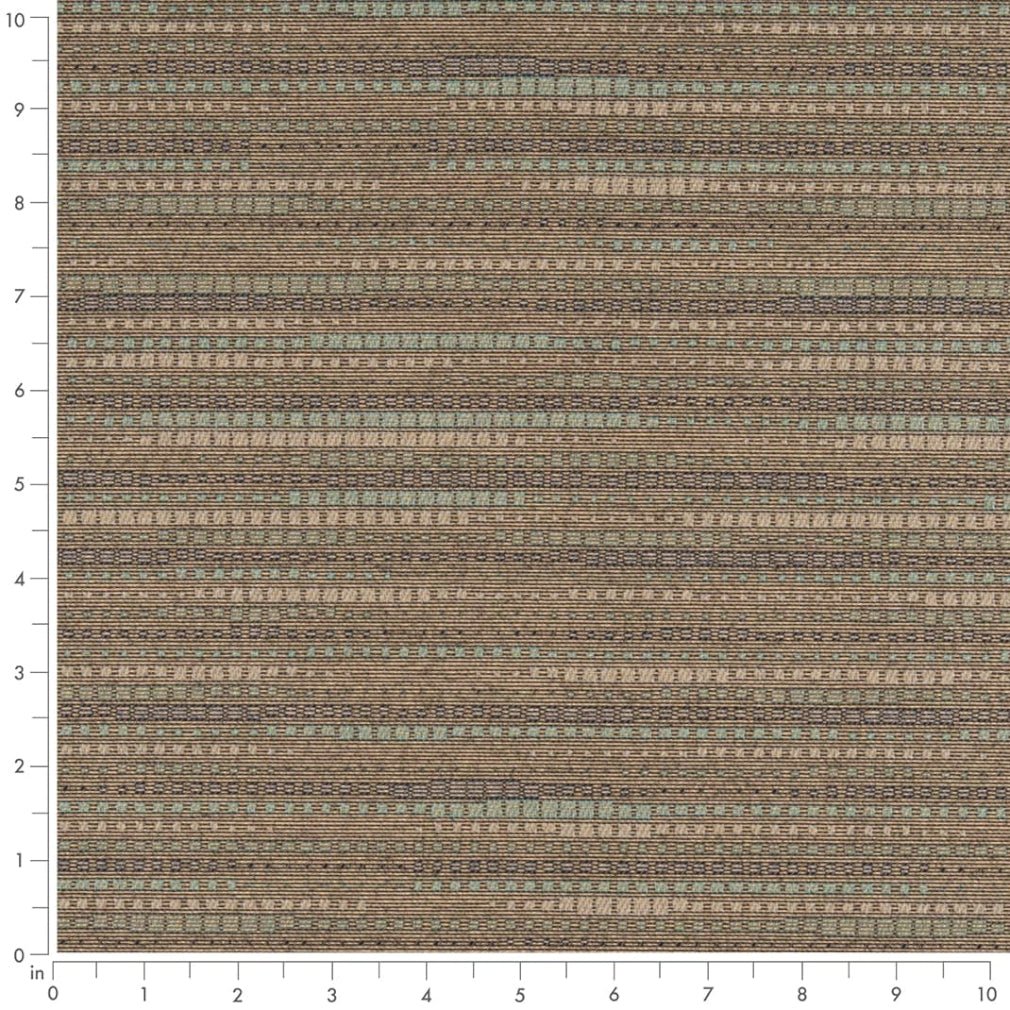
Textures like slubs, basketweaves, and heathers, add dimension without competing with patterned fabrics.
Keep Patterns in the Same Style Family
Patterns don't need to match exactly, but they should feel like they belong together.
For example:
- Organic florals pair beautifully with watercolor stripes or soft geometrics.
- Clean geometrics work well with structured stripes or simple motifs.
- Traditional patterns complement classic textures and timeless prints.
Unless you're intentionally creating contrast, avoid mixing ultra-modern graphics with highly ornate traditional patterns.
Use Neutrals as a Reset Button
When layering several patterns, neutral fabrics help create balance. Consider using neutrals on:
- Larger upholstered pieces
- Main seating
- High-traffic furniture
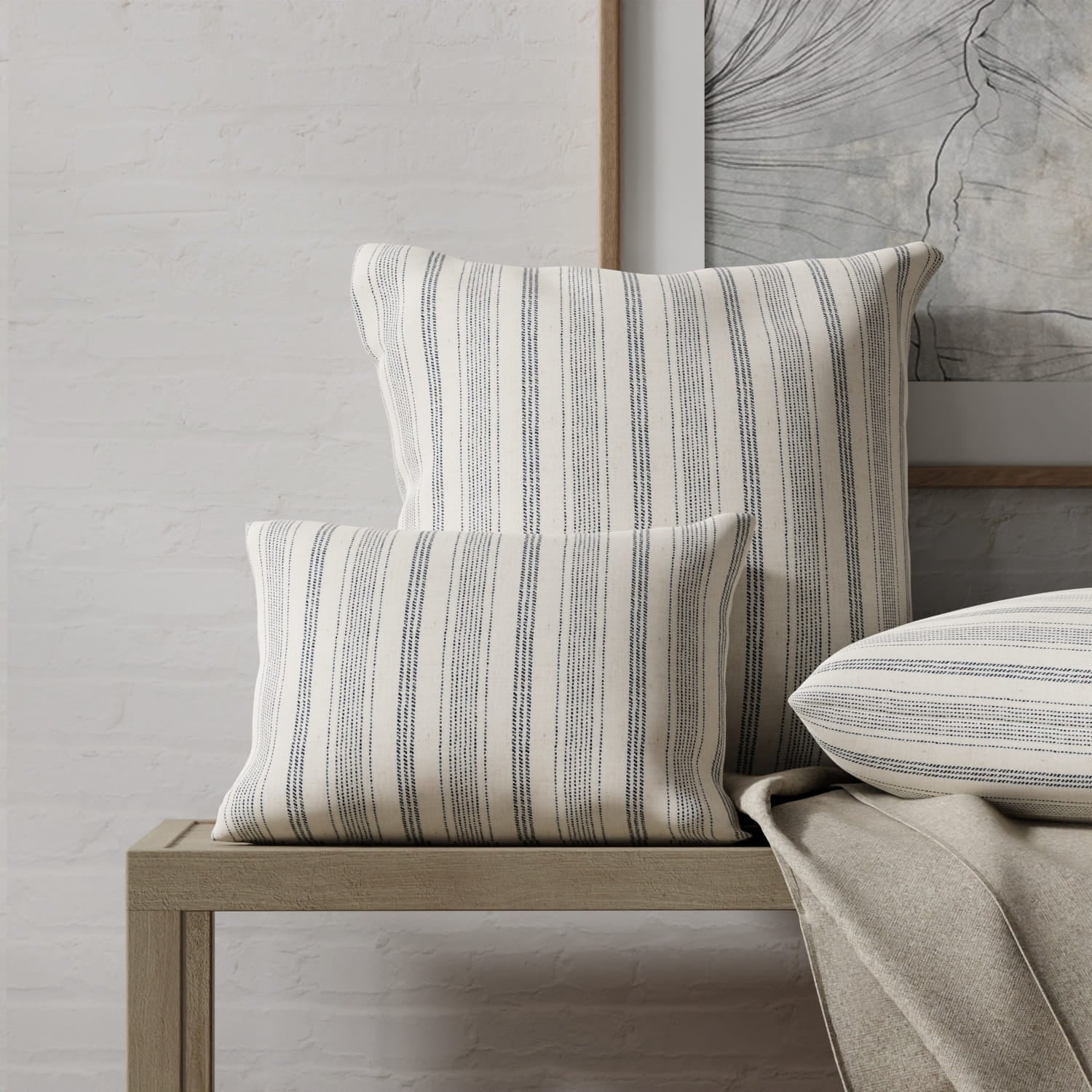
Then introduce patterned fabrics through throw pillows, ottomans, benches, or accent chairs. This approach keeps the space feeling fresh and makes it easier to update over time.

Featured Fabrics: Percey Mascara, Clive Chocolate, Kenley Mushroom, Weiss Fawn, Echo Flax
Repeat Instead of Match
Instead of trying to match every pattern perfectly, repeat key elements throughout the room, such as:
- Larger upholstered pieces
- A line direction (horizontal or vertical)
- A shape (curved or angular)
Repeating these details creates cohesion without making the room feel overly coordinated.
Pattern Mixing Ideas
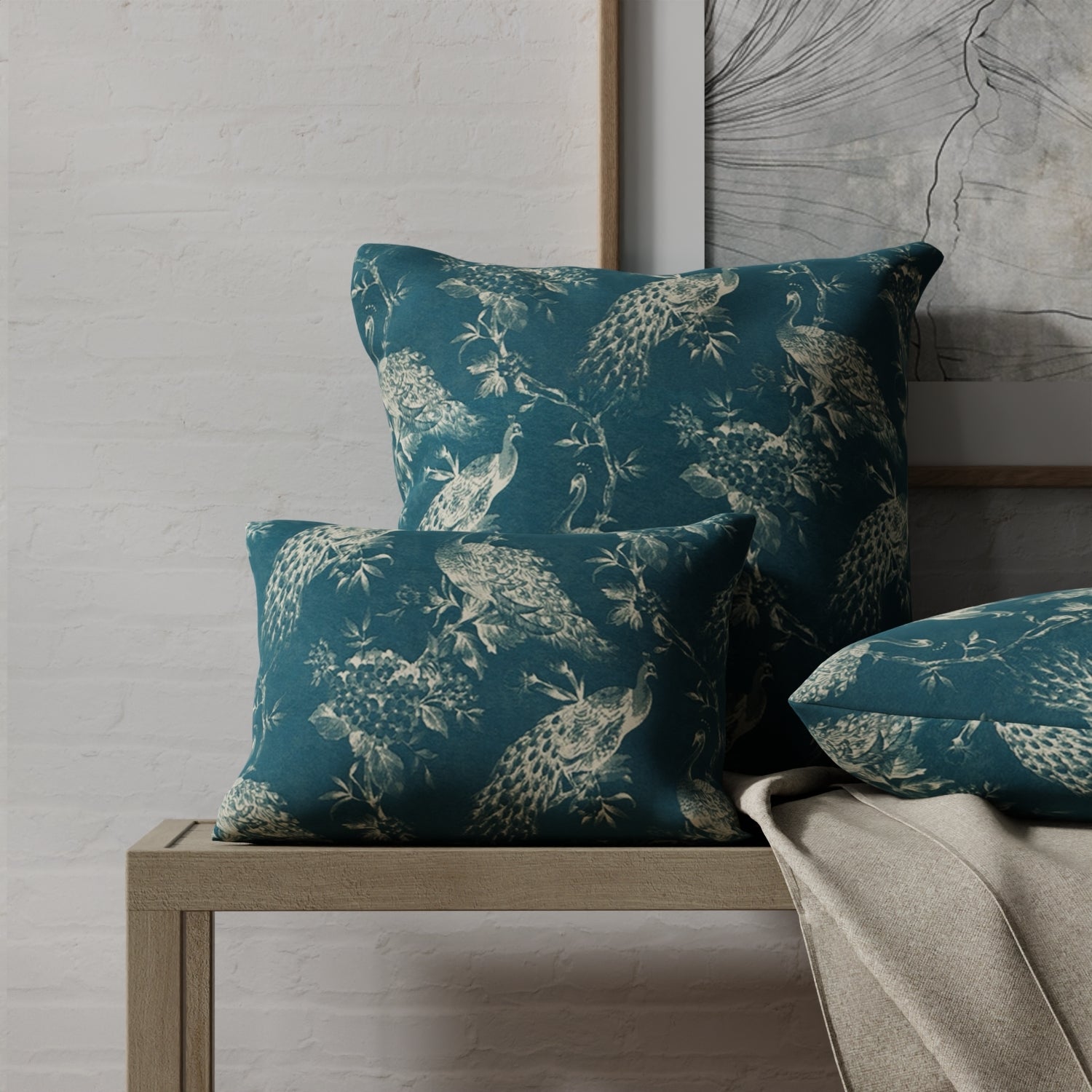
Sofa + Throw Pillows
- Solid sofa
- Large-scale patterned pillows
- One smaller-scale or textured accent pillow
Dining Chairs
- Solid or textured seat fabric (performance is a bonus!)
- Patterned, more decorative fabric on the chair backs
Accent Chair + Ottoman
- Patterned accent chair
- Coordinating solid ottoman pulled from the pattern's color palette
Common Pattern Mixing Mistakes
Avoid these common pitfalls:
- Using patterns that are all the same scale
- Ignoring color consistency
- Covering every large furniture piece in bold prints
- Mixing too many design styles at once
- Forgetting to include texture
If something feels off, try removing one pattern and replacing it with a solid or textured fabric. A small adjustment can make a big difference.
When in Doubt, Test Your Fabrics
Before placing your order:
- Order fabric samples.
- View them together in natural light.
- Look at them both up close and from across the room.
Colors, textures, and patterns often look different in person than they do on a screen.

Featured Fabrics: Watts Sage, Richard Heather, Havana Petal
Final Takeaway
Mixing patterns and solids isn't about following strict design rules, but about creating balance. By starting with a cohesive color palette, varying pattern scale, incorporating textured solids, and repeating key elements throughout the space, you can create a layered look that feels intentional and inviting.
And remember: if everything matches perfectly, nothing has the chance to stand out.